 en



TANZANIA ADVANCES CLIMATE SCIENCE ENGAGEMENT THROUGH IPCC AR7 OUTREACH IN ARUSHA
TANZANIA ADVANCES CLIMATE SCIENCE ENGAGEMENT THROUGH IPCC AR7 OUTREACH IN ARUSHA
4th November 2026
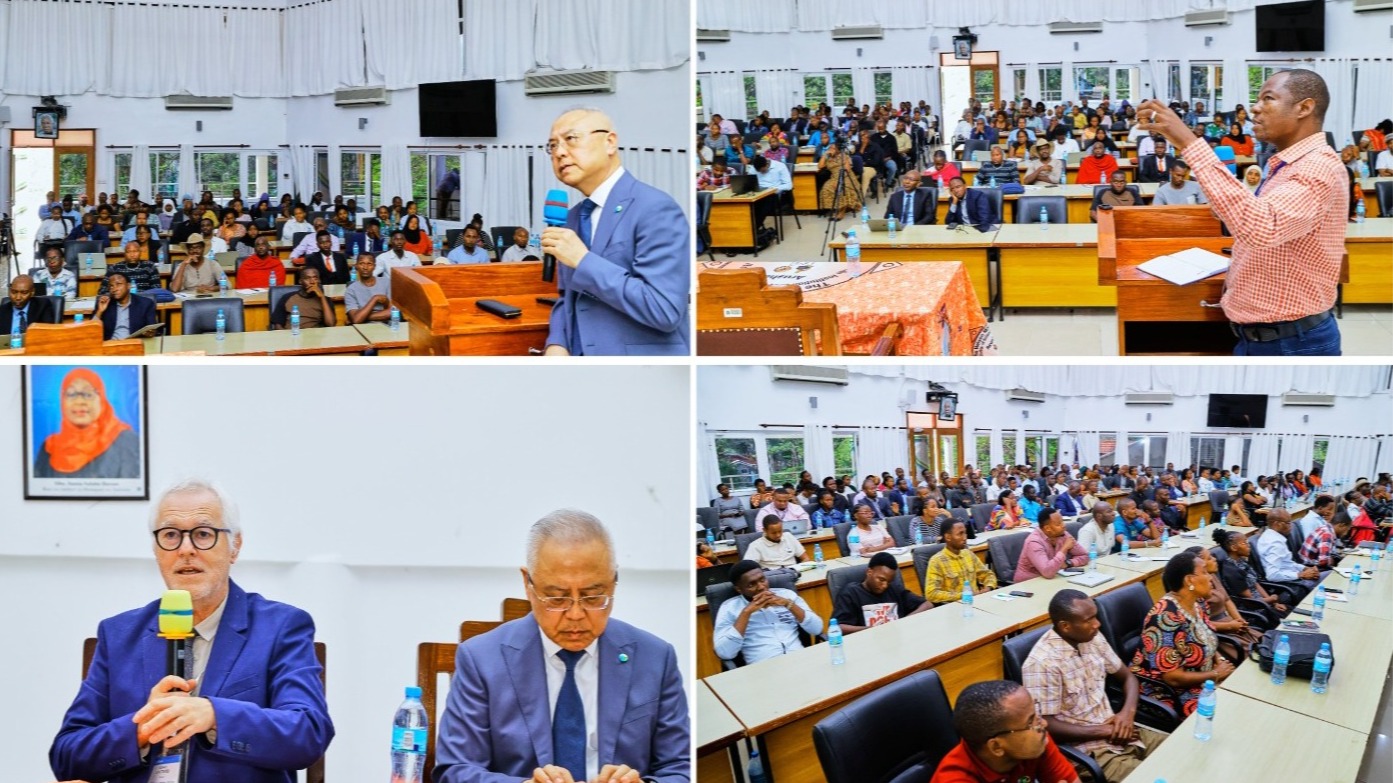
Tanzania Meteorological Authority (TMA) in collaboration with convened Nelson Mandela African Institution of Science and Technology (NM-AIST) in Arusha on 4 November 2026. The event aimed to strengthen public understanding of the IPCC Seventh Assessment Report (AR7), particularly the work of Working Group I (WGI), which assesses the physical science basis of climate change.
Held alongside the IPCC WGI Third Lead Author Meeting the outreach brought together researchers, students, civil society representatives and climate practitioners under the theme: “Bridging Climate Research, Science and Society: Engaging Researchers, Youth and Communities in Understanding the IPCC AR7 Working Group I Assessment.”
Prof. Mwemezi Rwiza, Deputy Vice Chancellor (Academic, Research and Innovation) at NM-AIST and Guest of Honour at the outreach event, underscored the importance of addressing climate change challenges in Africa, saying “Climate change continues to pose significant challenges to Africa, affecting livelihoods and sustainable development. It is with great honor for NM-AIST to host this important IPCC AR7 outreach event, which provides a valuable opportunity to connect our academic community with leading global climate scientists”.
Highlighting the IPCC’s critical role in advancing global understanding of climate change, IPCC Vice-Chair, Dr. Ladislaus Chang’a, explained that through the Seventh Assessment Report (AR7), scientists worldwide are rigorously assessing the latest climate research through drafting and review processes. He emphasised that this work provides governments and society with credible scientific evidence to understand climate risks and make informed decisions on climate adaptation and mitigation
IPCC WGI Co-Chairs Prof. Robert Vautard and Prof. Xiaoye Zhang outlined the participation, scope of the assessment and how scientific evidence is evaluated.“Through the AR7 assessment, we are bringing together the latest scientific evidence to improve understanding of climate change, future warming and associated risks. Our work also aims to provide reliable regional climate information to support informed decisions and effective responses to climate change.” Said Prof.Xiaoye Zhang.
“The WGI Lead Authors play a vital role in bringing together and assessing the latest scientific evidence on climate change. Through our discussions and collaboration in Arusha, we are working towards a comprehensive assessment that will strengthen understanding of climate risks and inform future climate action.” noted Prof Robert Vautard while highlighting the contribution of lead Authors in advancing AR7 assessment.
The programme also featured presentations by Tondelo Gungulundi of Shahidi wa Maji on community participation in sustainable water resource management, and Rev. Prof. Dr. Aidan G. Msafiri of the Kilimanjaro Consortium for Development and Environment on behavioural change, climate adaptation and water security, drawing on lessons from the BASIN Project.
A panel discussion moderated by Dr. Chang'a brought together IPCC WG-1 C-Chairs, representative of students and Lecturers and also representative Civil Society snd NGOs.
The discussion focused on opportunities for researchers, young people and communities to engage and participate in the IPCC process and apply climate science to local needs.
The outreach highlighted the importance of credible climate information in addressing risks such as floods, droughts, rising temperatures and changing rainfall patterns. Such information supports climate adaptation, disaster risk reduction and sustainable development in Tanzania and the wider East African region.